

Power Development for Athletes

In this article we are discussing power development for athletes.
What is power?
How can you increase power output?
How can you test for power?
What is Power Development:
The equation for power is Power= Force x Distance/Time or Power=Force x Velocity.
Power Development can be described as the development in the ability to exert force in the shortest period of time leading to the ability to produce higher velocities against a given load.
The ability to exert large amounts of force in various directions, within a shorter time period, is a vital skill for athletes to develop.
How to Increase Power:
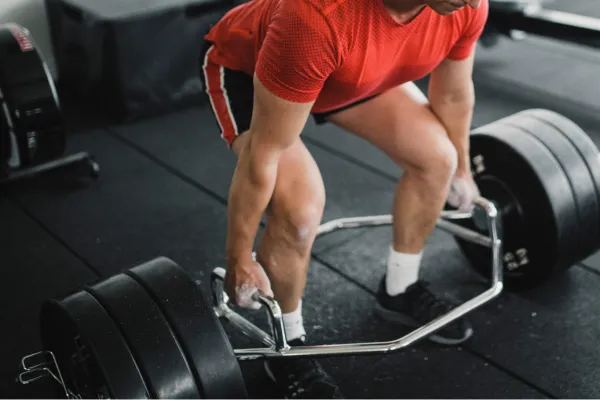
Increase the amount of force athletes can produce. This can be done through traditional strength training methods.
Examples: squats, lunges, presses, pulls.
Elicit neurological adaptations like faster firing frequency of neurons and stronger activation threshold of motor units through training methods with higher velocities.
Use of higher and lower loads from 25%-80% in all planes of motion to provide varying stimuli.
How to Measure/Test Power:
The use of technology like force plates, Velocity based technology, and Keiser equipment provides true power numbers for a variety of movements in the measurement of Watts.
For the many that don’t have access to this kind of equipment, distance measurements for power will be effective ways to track and measure development.
Distance measurements include:
Vertical Jumps
Broad Jump
Rotational Broad Jump
Med-Ball Over Head & Rotational Tosses
If athletes can increase the total distance they can cover within the same test, then this is an indicator that they have increased their total power output.